This deeper dive into diamond clarity assumes some basic familiarity with diamonds and the 4Cs. If you haven't read it yet, we'd recommend you start with our overview of the 4Cs.
Where do the 4Cs fall short?
As jewelers, we're big fans of GIA reports and the 4Cs. They provide an independent and trustworthy guide to a diamond's basic characteristics. Since they are so important to the jewelry industry, sometimes customers think that a certificate with a diamond's 4Cs is all you need to compare price or make a purchase decision. For better or worse, you need much more than that to evaluate a diamond.
We tell you a bit about why in our guide to the 4Cs. In short, a diamond's clarity grade focuses on the visibility of inclusions under magnification. But this does not always reflect how visible these imperfections will be to the naked eye, which we would argue is what matters most when selecting a diamond. For example, the color and positioning of an inclusion can make a huge difference. The 4Cs also fail to grade diamond characteristics like brown or green color tinge, milkiness, and fluorescence. So, why does this matter? We figured it would be best to show you.
Let's take a look at ways in which a diamond's clarity grade can be insufficient in telling you how the diamond will actually look.
Comparing diamonds with the same clarity grade
Each of the following diamonds has identical 4Cs as graded by GIA. These diamonds were easy to find from our suppliers' stock, and we could readily locate similar examples from any of the major online diamond sellers. In other words, they represent typical diamonds available on the market, not special cases.
- Cut: Excellent
- Color: J
- Clarity: SI2
- Carat: 1.0 - 1.1
The quality and the price of each diamond varies dramatically as you'll see below. We've included notes on some of the key characteristics for each diamond that didn't show up in the SI2 clarity rating each of these stones received. Take a look and see what you notice. We think you'll pick up on a few things, including:
- The lowest quality options would be very poor choices and don't present good value at almost any price
- The level at which an inclusion can impact the look of a stone can vary dramatically within a given GIA grade
- Features like milkiness and color tinge aren't considered in the clarity rating
- The highest quality SI2 diamonds can look better than many VS1 diamonds
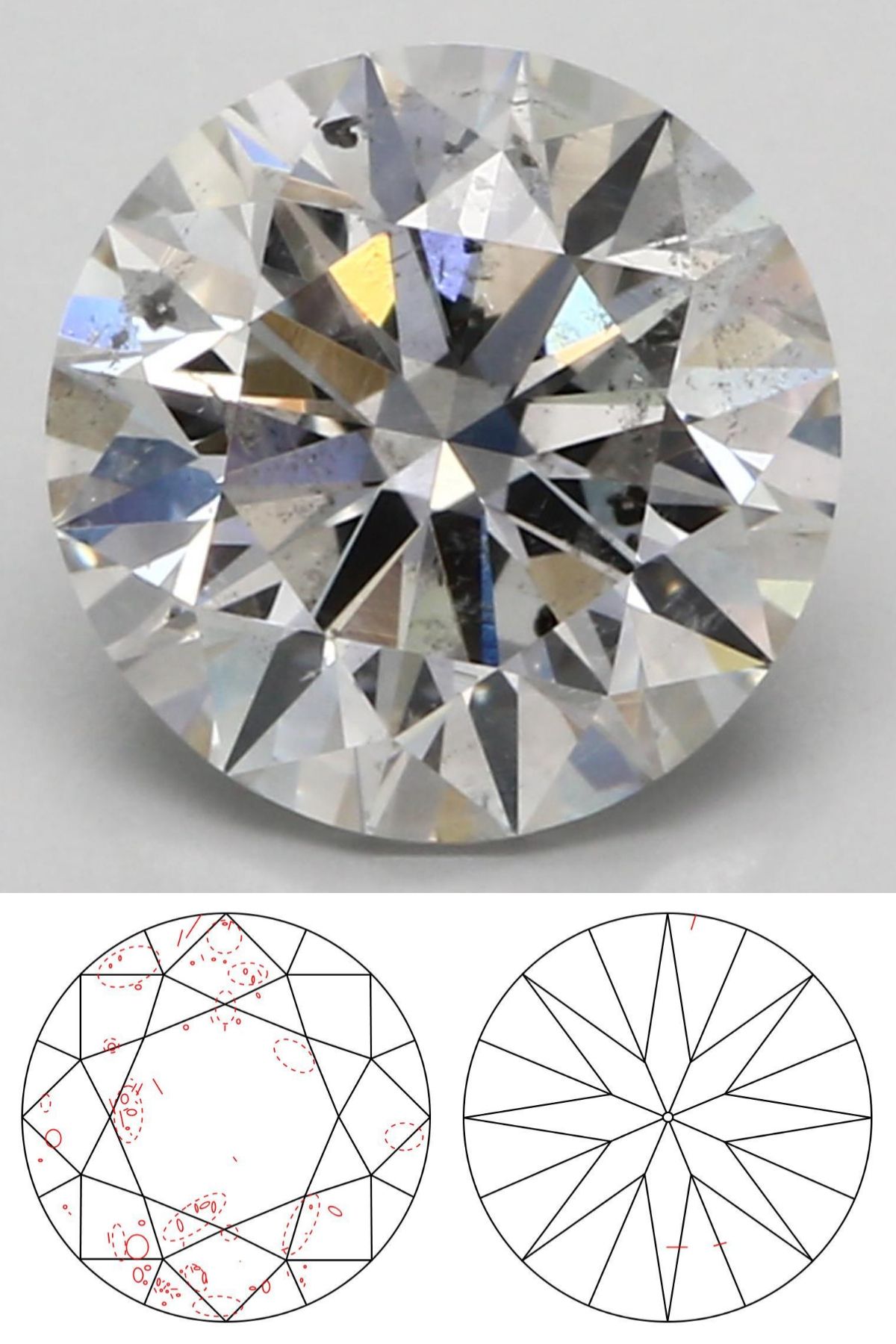
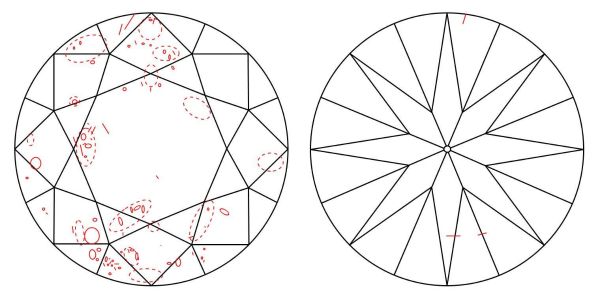
Lowest quality available (GIA #2195457969)
Strong brown color tinge. Light milkiness. A lot of scattered, dark inclusions in bad spots give the diamond a mottled look.
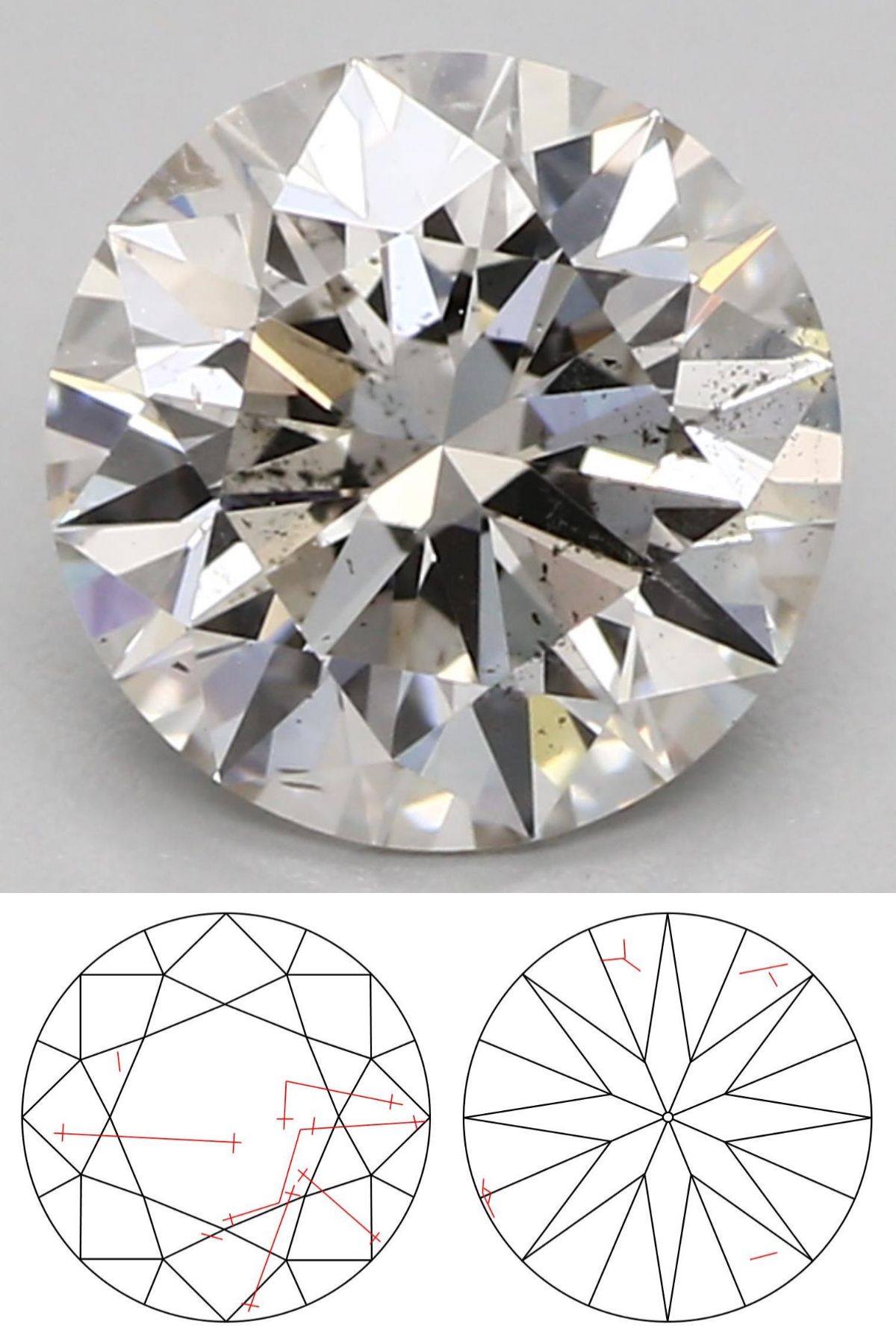
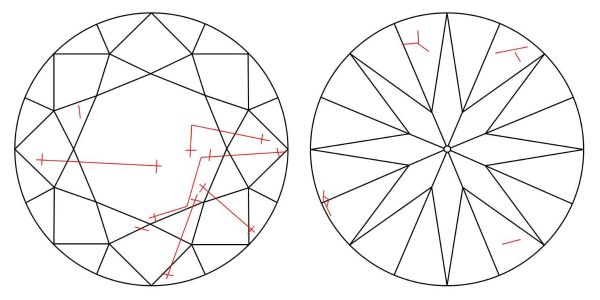
Low range (GIA #2191502285)
Strong brown color tinge. No milkiness. Eye-visible dark inclusions spread throughout the diamond.
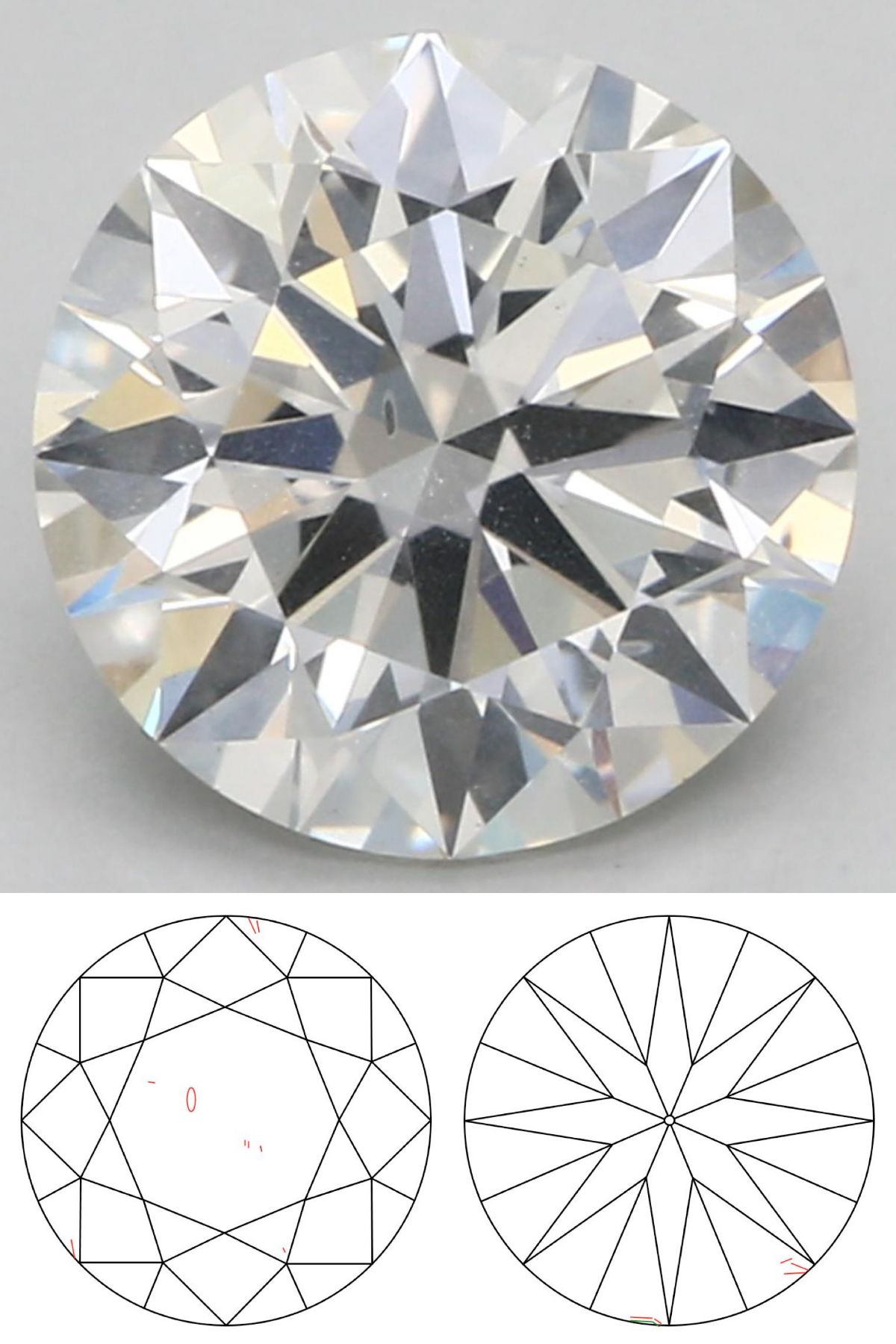
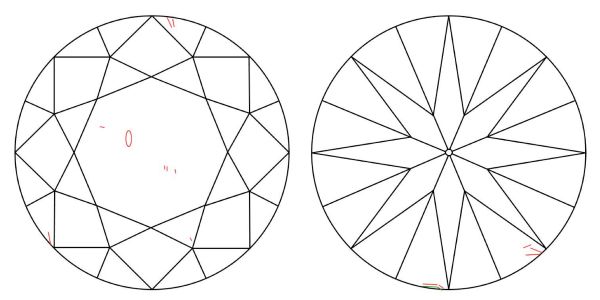
Mid-low range (GIA #5192448904)
Light color tinge. Medium milkiness. Yellow fluorescence could combine with the lower color grade to make the visible color worse than rated. Single noticeable inclusion in the center.
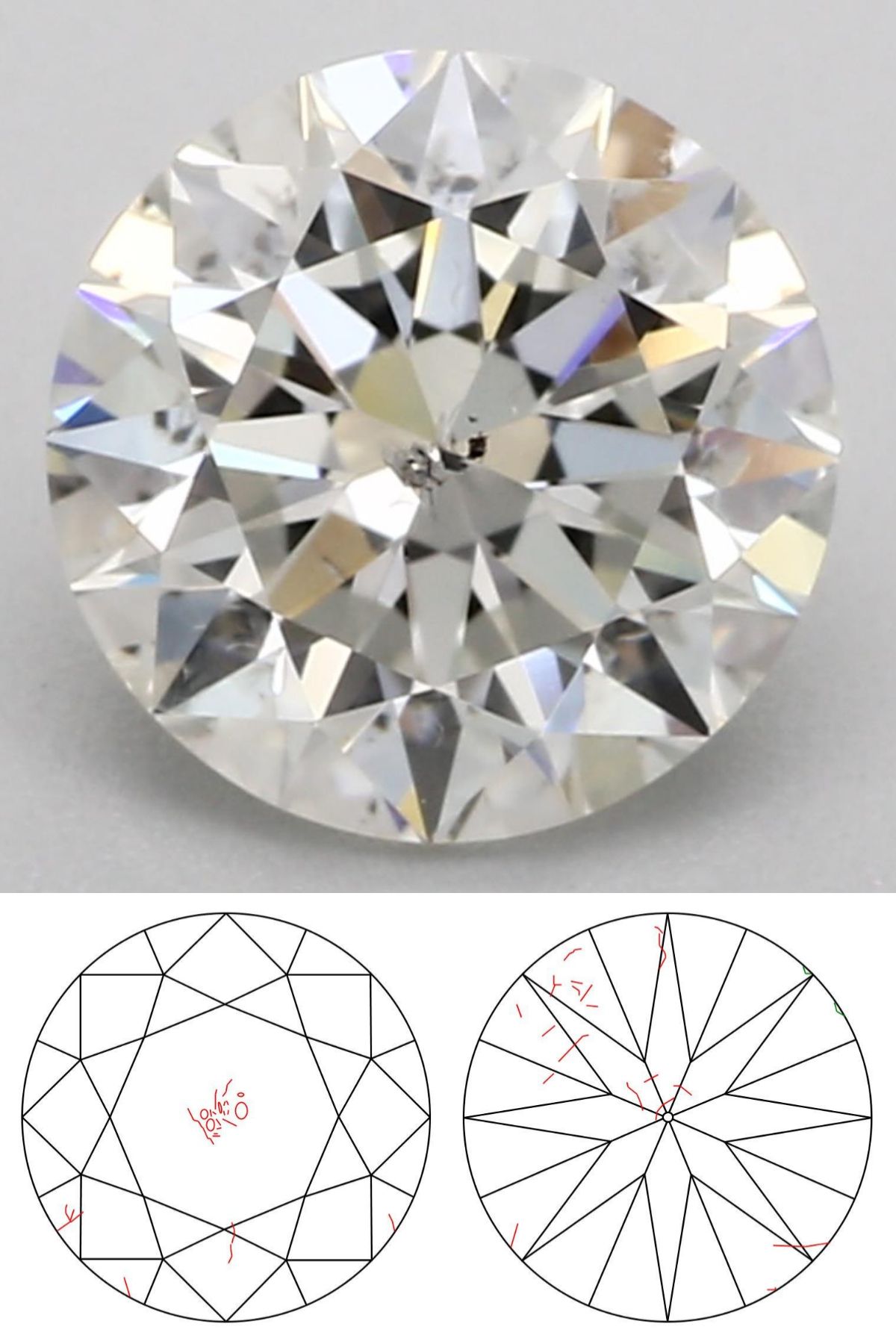
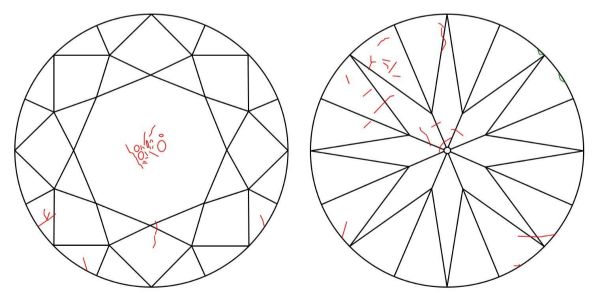
Mid range (GIA #2297134262)
No color tinge. No milkiness. Dense cluster of dark, visible inclusions right in the center. Not eye clean.
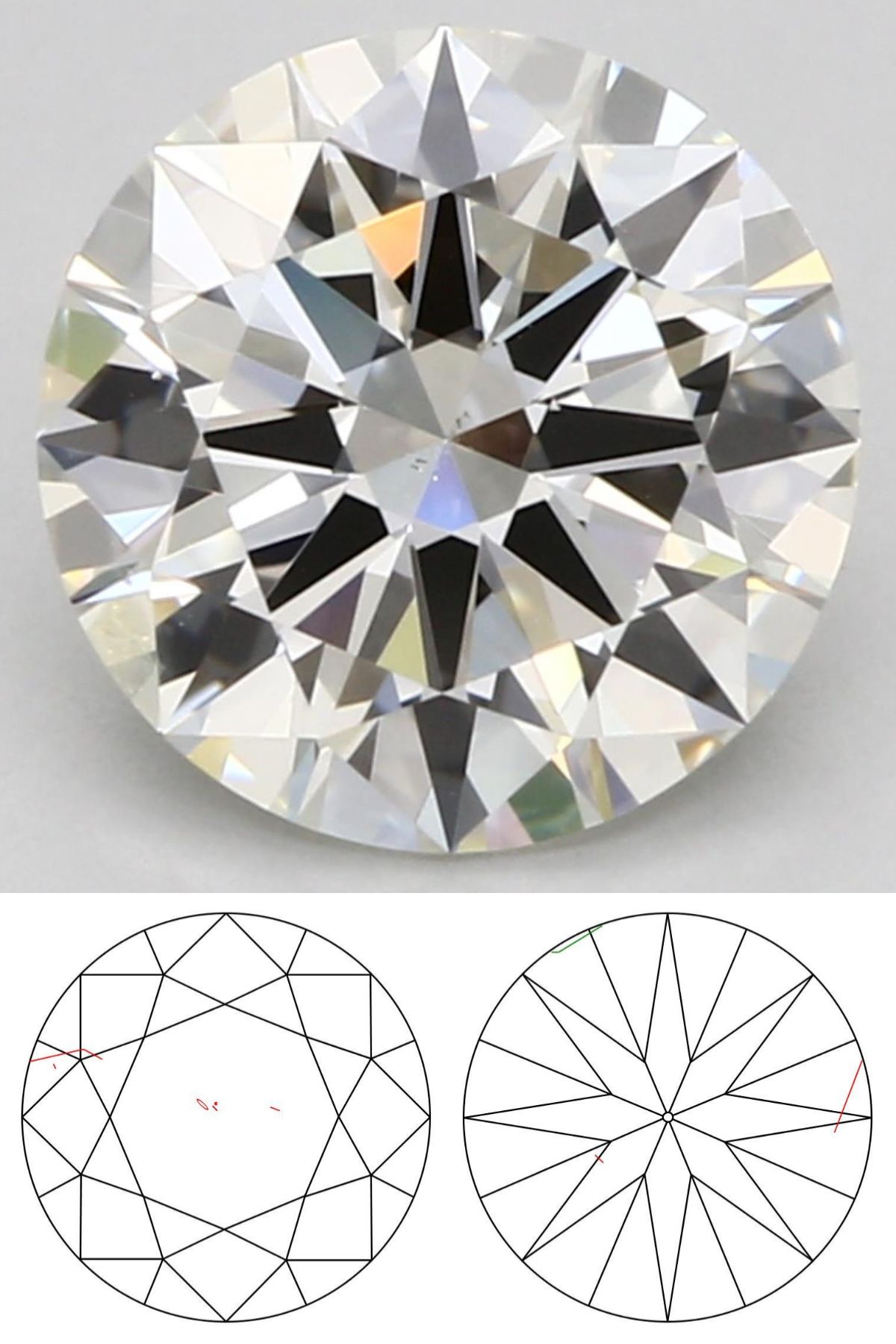
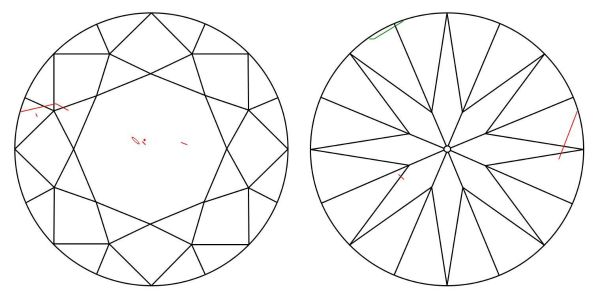
Upper range (GIA #1303125520)
No color tinge. No milkiness. Small center inclusions, too subtle to see without magnification. Eye clean.
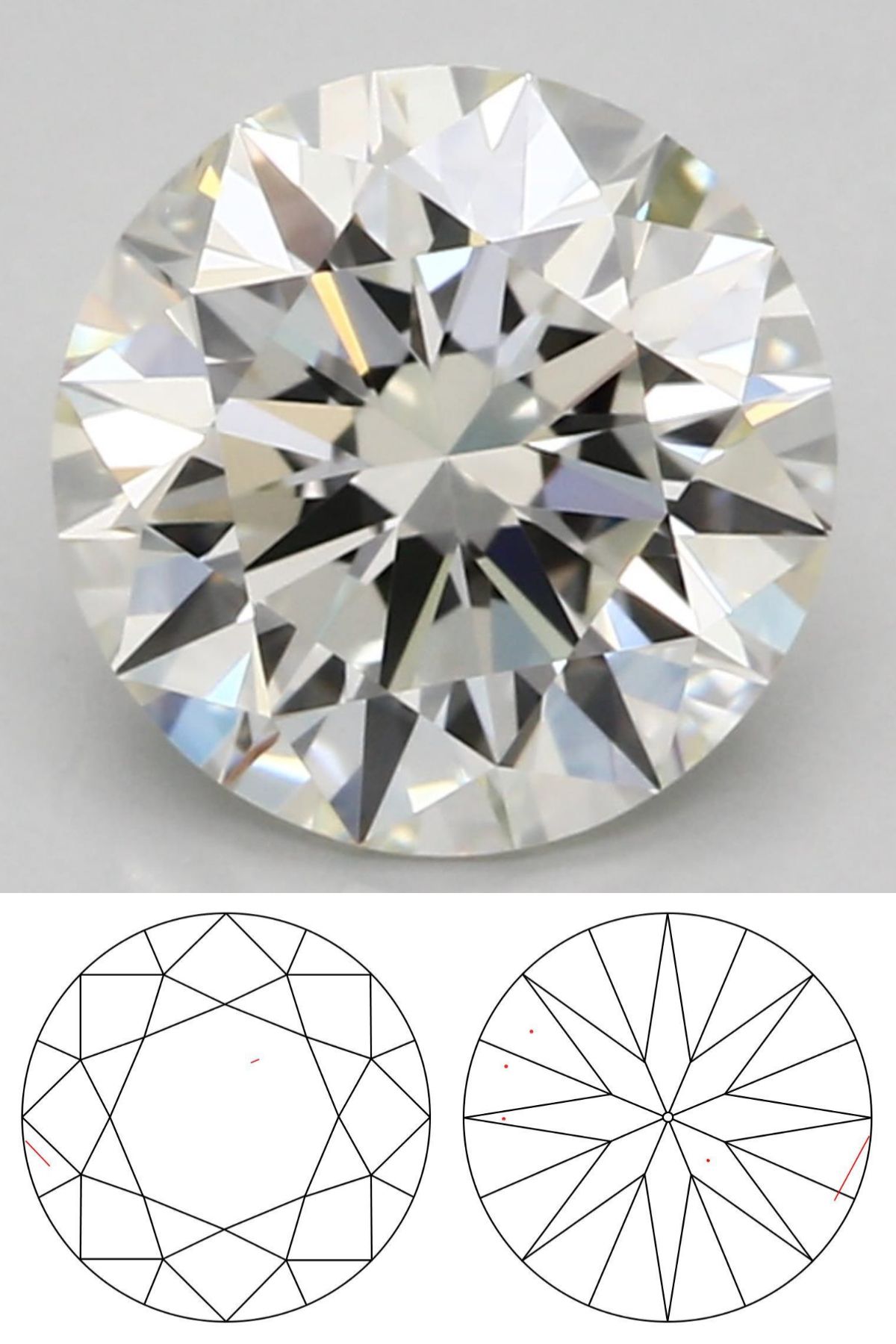
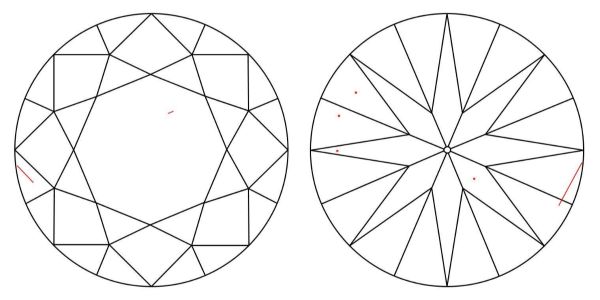
Top tier (GIA #2307301601)
No color tinge. No milkiness. Absolutely eye clean. Even under magnification, we have a hard time finding the inclusions.
We'd happily recommend the two highest tier options in the examples above as beautiful, eye clean choices. But one step lower to the "mid range" choice and the inclusions are very visible. There's just a $300 price difference between the eye clean choice and the visibly included diamond. Worse yet, the "mid-low" option is even trickier to assess. Aside from its single large inclusion, it's quite clean. And some customers might find that the slightly more faded color of that large inclusion would all but obscure it to the naked eye. But we'd suggest that the combination of color tinge, milkiness, and yellow fluorescence would combine to degrade the overall appeal of the diamond.
Hard to believe all of those diamonds got the same clarity score, isn't it?
Finding great diamonds across clarity levels
Hopefully, you can now see how much variation exists within a single clarity grade. Now, let's take a look at how we can find a beautiful diamond across a broad range of GIA clarity grades. We selected three diamonds, also quite typical and also readily available from our suppliers, of the same size, color and cut quality. But they are graded at three different clarity levels.
- Cut: Excellent
- Color: F
- Carat: 1.01 - 1.02
These diamonds are rated by GIA as SI1, VS1 and VVS1. If you've read about clarity levels, you would expect these diamonds to be very different, especially under magnification. But we'd argue that they are all eye clean and will look very similar when set in a ring. In fact, even with the inclusion diagram from GIA at hand and under heavy magnification, it would be very hard to see the difference with an untrained eye.
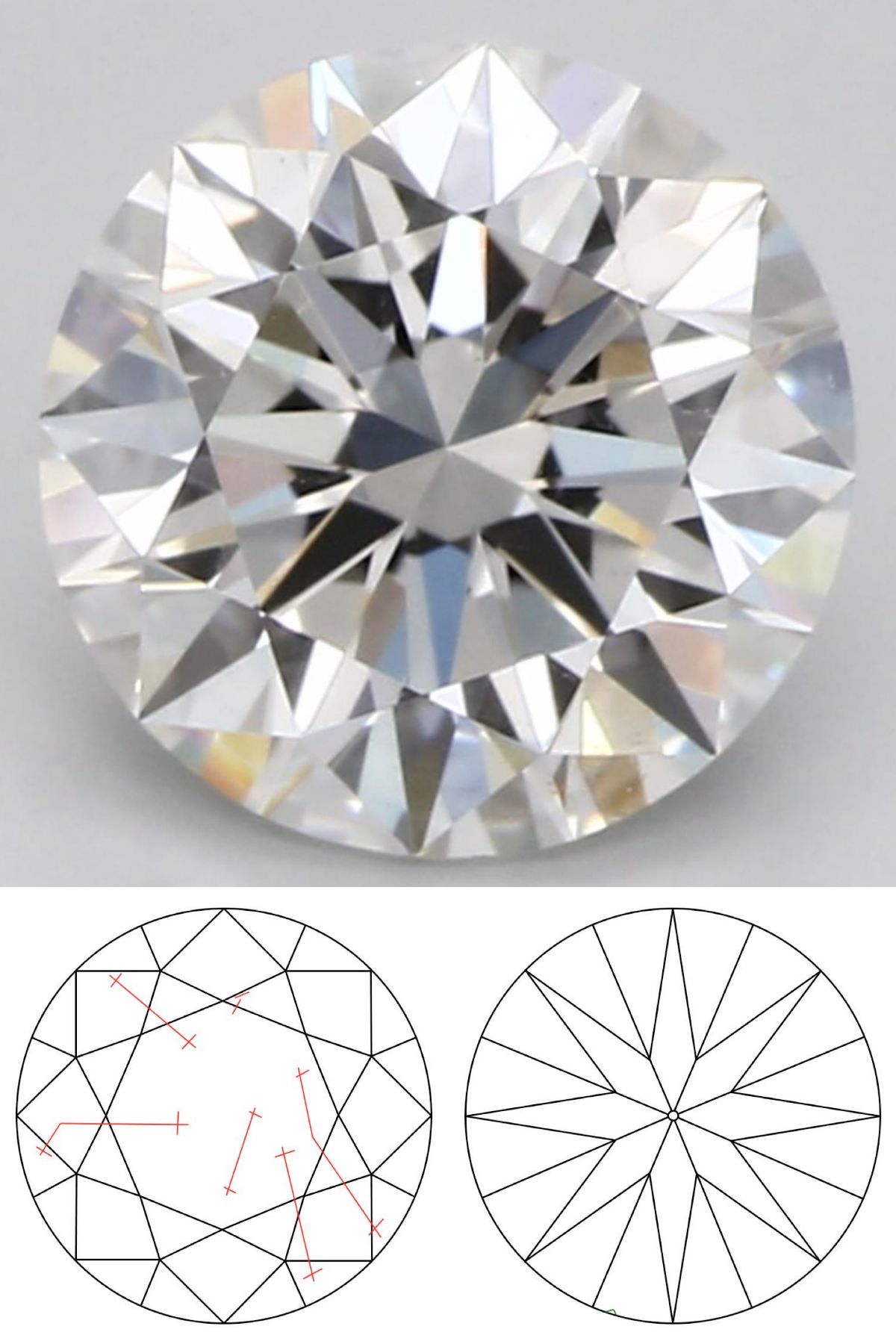
SI1 (GIA #2304777290)
Price: $7,424
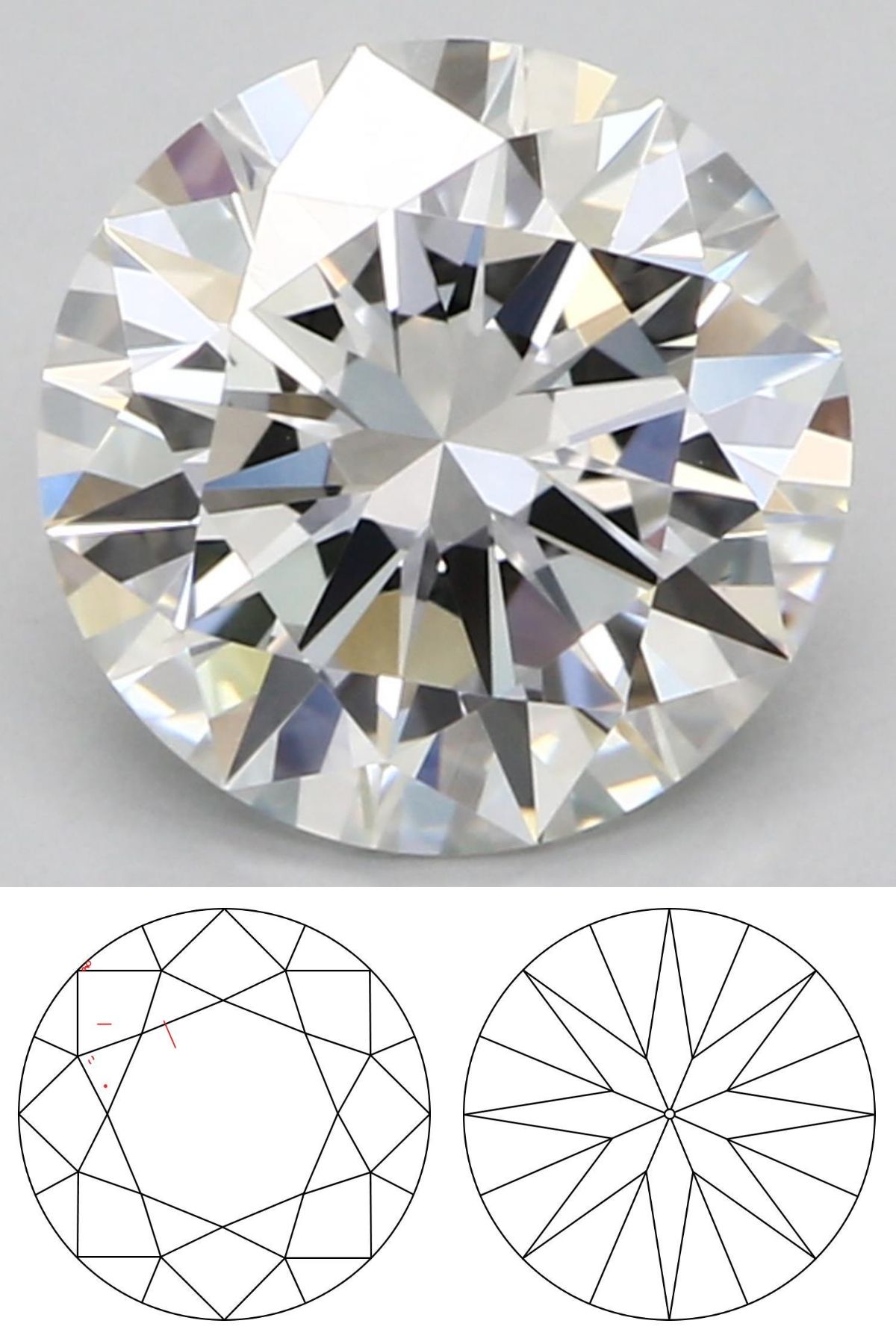
VS1 (GIA #2185580832)
Price: $8,114
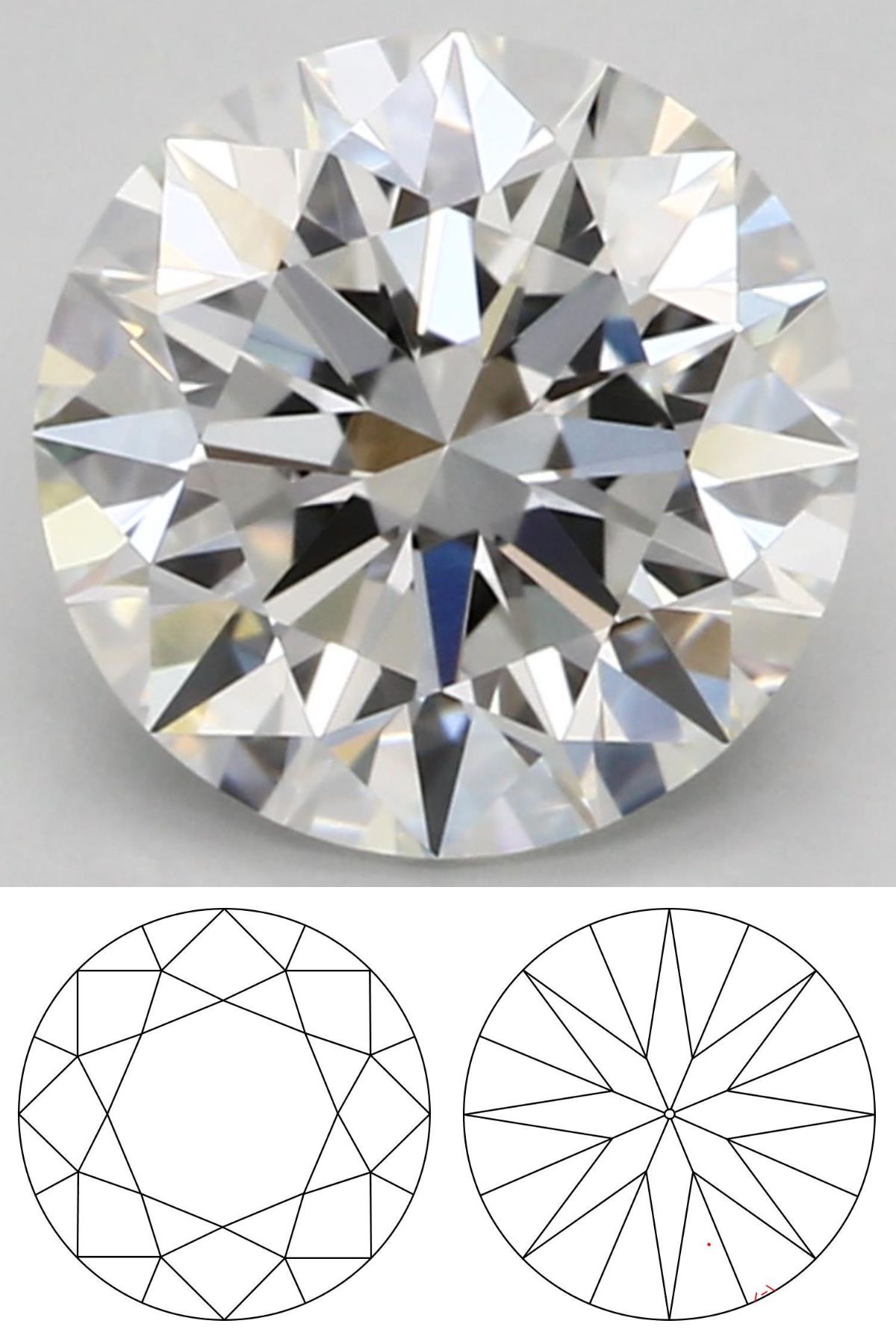
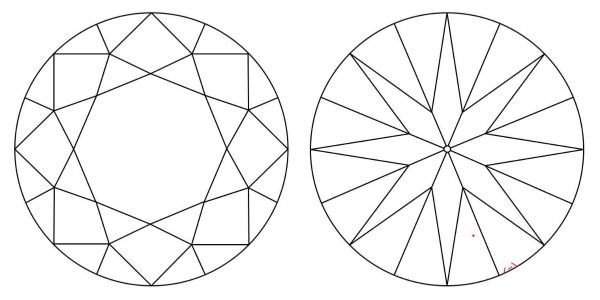
VVS1 (GIA #6301255911)
Price: $10,048
Conclusion
There are great diamonds and bad diamonds out there. Be careful! Many jewelers buy stock and then need to sell what they have. The harder time they've been having trying to sell a diamond, the more desperate they will be to push it.
There are 2 ways to get a beautiful diamond:
- OPTION 1: Pay for a top of the line diamond with grades so high that you can't go wrong. If you buy a GIA-certified round diamond with a top color grade (D-F), a top clarity grade (VVS+), and an excellent cut - it's hard to go wrong. The diamond will look beautiful - sparkly, colorless, and flawless to all that see it. You'll pay a premium for that certainty, and that may mean you'll have to blow your budget or settle for a smaller diamond.
- OPTION 2: Know your stuff and find a beautiful diamond that is also great value. We spot great deals every day. Some SI diamonds are clearer to the naked eye than other VS diamonds. Certain types of inclusions can be nearly invisible, and placements in certain facet configurations can hide a flaw. Some cuts (like an emerald or asscher cut) won't hide imperfections at all. An expert can help you weigh the options, so you can make a really confident decision and get a stunning diamond at a reasonable price.
We recommend option #2. Let's be honest: diamonds are expensive. And we'd rather have customers spend that money confidently, and only spend it on characteristics that matter to them. That's what our gem specialists work hard to deliver: guidance and expertise that help you buy with confidence, get a great diamond, and a get a great deal.